Shoulder Season and Winter Market Gardening
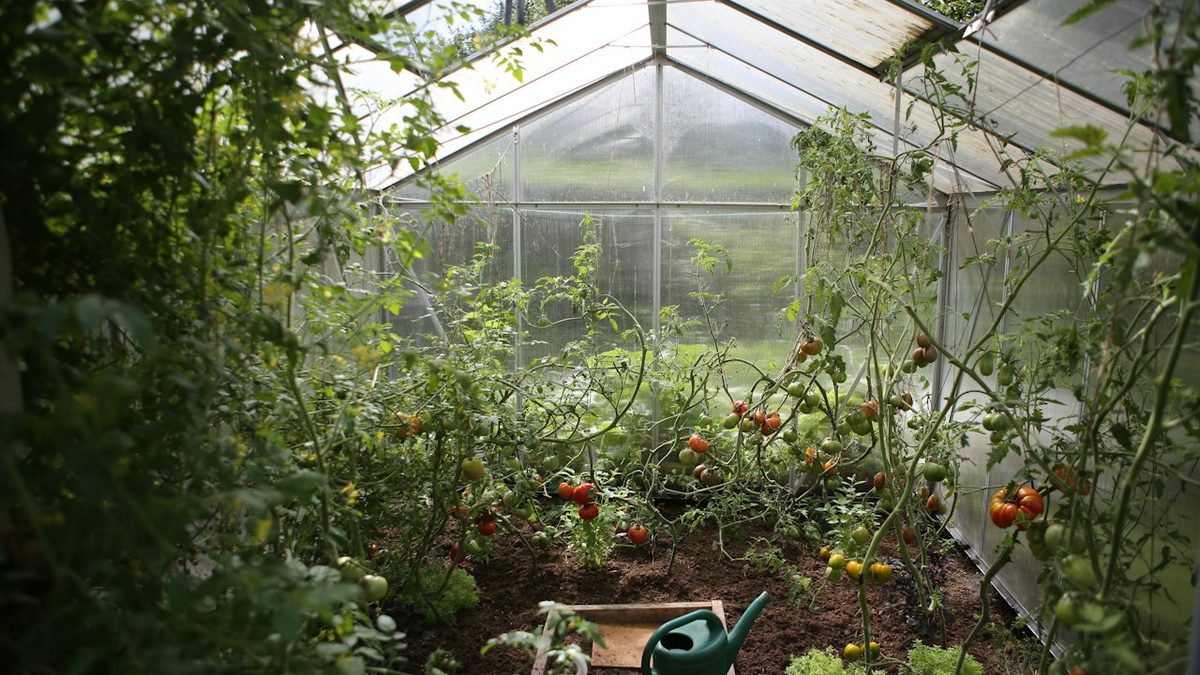
Commercial shoulder-season and winter market gardening represents one of the most profitable frontiers in sustainable vegetable horticulture. Extending high-quality fresh vegetable harvests through late autumn, sub-freezing winter months, and early spring transforms seasonal cash-flow dynamics, preserves experienced farm labor year-round, and captures premium off-season wholesale and direct-market pricing. Successful unheated winter production relies not on … Read more

Companion Planting and Polyculture Guild Mechanics

Commercial polyculture design and agroecological companion planting represent a sophisticated transition from vulnerable monocultural systems to resilient, biodiverse cropping guilds. Far from pseudoscientific folklore, evidence-based companion planting leverages proven biochemical and physiological mechanisms: plant volatile organic compound (VOC) masking, parasitoid and predator floral provisioning, root exudate allelopathy, mycorrhizal fungal networking, and spatial niche differentiation. Implementing … Read more

Growing Degree Days and Succession Schedules

Precision succession planting in commercial vegetable operations requires transitioning away from static calendar days toward thermodynamic biological modeling based on Growing Degree Days (GDD) and base physiological temperatures. Relying solely on seed packet ‘days to maturity’ ratings consistently causes feast-or-famine harvest gluts, where multiple weekly plantings mature simultaneously during sudden unseasonal heat waves, or field … Read more

Biointensive Crop Rotation Families and Soil Depletion

Commercial vegetable crop planning demands a systematic, multi-year agroecological rotation strategy that transcends simple ad-hoc field scheduling. In high-density intensive vegetable enterprises, continuous production across botanical families without structured spatial and temporal intervals rapidly accelerates soil exhaustion, triggers devastating build-ups of host-specific soil-borne pathogens, escalates parasitic nematode populations, and destabilizes mineral nutrient availability. Designing an … Read more

Eggplant Cultivation Verticillium and Flea Beetles

Commercial eggplant production (Solanum melongena L.), encompassing classic Italian teardrop, slender Asian cylindrical, and specialty variegated heirloom varieties, represents an intensive, high-value warm-season solanaceous crop. Achieving marketable commercial yields exceeding 25,000 to 40,000 pounds per acre across extended summer and autumn harvest windows demands rigorous technical mastery of thermal soil requirements, anthocyanin nasunin pigmentation stability, … Read more

Cucumbers and Summer Squash Parthenocarpy and Mildew

Commercial production of cucumbers (Cucumis sativus L.) and summer squash (Cucurbita pepo L.), encompassing zucchini, yellow crookneck, and pattypan types, represents one of the fastest-growing, highest-yielding sectors in fresh vegetable agronomy. With field cycles from seeding to first harvest spanning just 40 to 50 days and harvest windows yielding 800 to 1,500 bushels per acre, … Read more

Bell Peppers and Chiles Canopy Microclimate

Commercial pepper production (Capsicum annuum, Capsicum chinense, and Capsicum baccatum), spanning sweet bell peppers, Italian roasting peppers, and high-heat specialty chiles (jalapeños, habaneros, and ghost peppers), represents a high-margin sector of warm-season commercial agronomy. Achieving sustainable marketable yields exceeding 25,000 to 45,000 pounds per acre demands rigorous mastery over canopy solar injury mitigation, capsaicinoid secondary … Read more

Heirloom Tomatoes Pruning and Calcium Transport

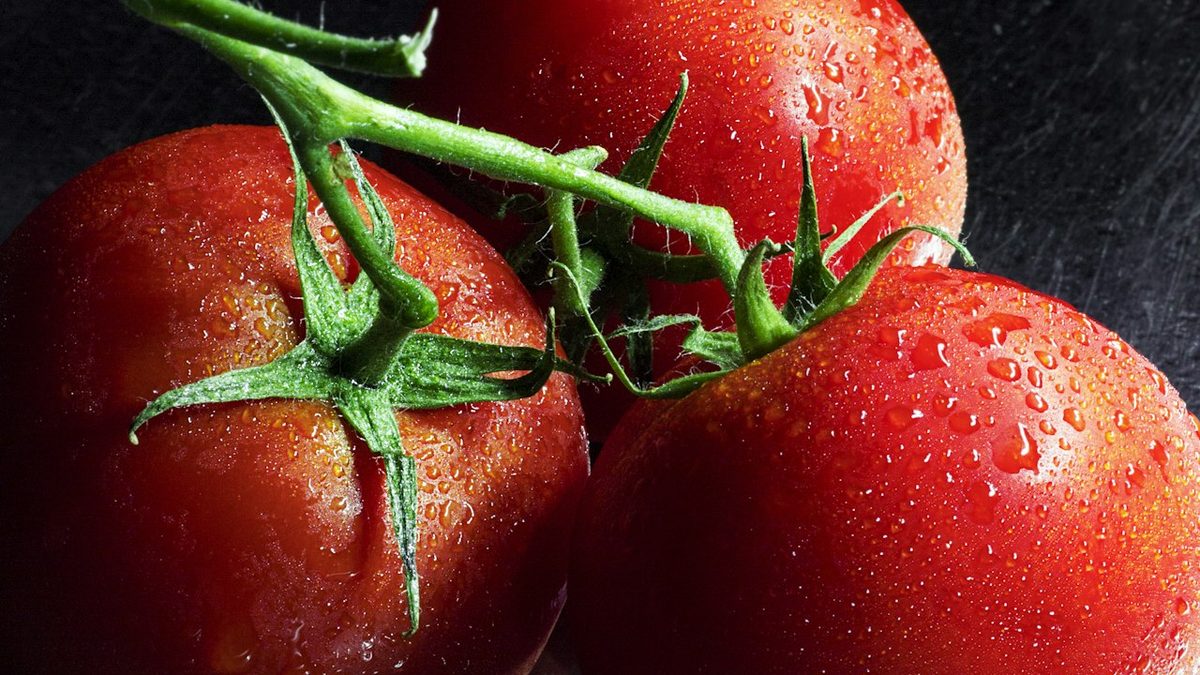
Commercial production of indeterminate fresh-market and heirloom tomatoes (Solanum lycopersicum L.) represents one of the most technologically advanced, high-value sectors in horticultural crop production. Achieving marketable yields exceeding 60 to 90 tons per acre of pristine, crack-free fruit across multi-month harvest windows demands complete mastery over apical vine architecture, lower sucker de-leafing, calcium xylem translocation … Read more

Cowpeas and Edamame Warm Climate Legume Management

Southern Cowpeas (Vigna unguiculata L. Walp.) and Vegetable Soybean Edamame (Glycine max L. Merr.) represent two premier warm-season, drought-resilient legumes in modern commercial production. Thriving under intense solar irradiance and ambient temperatures exceeding 90°F (32°C) where traditional cool-season peas and snap beans fail completely, these heat-adapted crops deliver lucrative returns. Commercial success across fresh wholesale … Read more

Broad Beans Fava Hardiness and Nitrogen Fixation

Fava beans (Vicia faba L.), also denominated commercial broad beans, horse beans, or faba beans, represent an ancient and extraordinarily resilient large-seeded legume in contemporary sustainable agronomy. Exhibiting unparalleled cold hardiness, deep taproot biological subsoiling mechanics, and peerless atmospheric nitrogen-fixation capacity (fixing up to 150 to 250 pounds of elemental N per acre), commercial broad … Read more

About VeggieGuide

About VeggieGuide

VeggieGuide is your trusted horticultural companion for growing nutrient-dense vegetables, mastering heirloom crop genetics, and building healthy garden soils. We provide step-by-step planting schedules, companion planting mechanics, and natural pest suppression strategies for growers of all levels.

Learn More →
Expert Advice Soil Biology & Compost
Crop Succession Guides Organic Pest Solutions
Verified Seed Science Seasonal Schedules